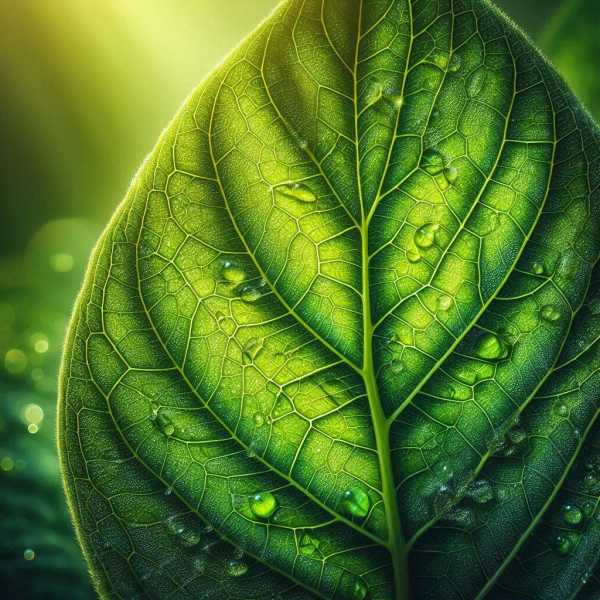
The link between nature and wellbeing is well recognised. People report feeling more peaceful and happier when they take the time to notice the natural world around them. Research indicates that spending time in nature can reduce anxiety and stress and improve one’s mood. Nature can have a positive impact on our mental, emotional, and physical health by reducing blood pressure, muscle tension, and stress hormones. In one study, half of the patients recovering from the same operation were in a hospital room with a view of trees outside and half with a view of a wall. The outcome was that the patients with trees recovered better and spent less time in the hospital.
When we connect with nature, we extend our attention and awareness outside ourselves, away from the limiting internal stress, anxiety, or sadness to the wide-open natural world in all its sensual wonder and beauty. Finding a deep connection with the natural world is one of the foundations of joy, peace, and vitality.
For 95% of our time on Earth, our nomadic forager ancestors were deeply connected with nature. Hunter-gatherer communities around today have a deep sense of being part of the natural world around them. So, in our modern world, how have we lost this connection, and how does this impact our lives and societies?
The industrial revolution began less than 300 years ago, which is not a long time in the big scheme of things, and accelerated from steam, mass production, oil and gas, electricity, telecommunication, and computing, to the digital age we now inhabit. Many of us now live in cities surrounded by the built environment of office blocks, retail parks, and motorways, which tend to crowd out the natural world. Many of us spend a significant part of our day focusing our attention on the sounds and images that appear on our screens, in both our work and personal lives. And most of us no longer grow what we eat and are disconnected from how much of our food is produced.
One powerful single thing that led us down this path is our ability to think conceptually in a way that is abstracted from the natural world. For example, our ability to focus on things like “Return on Investment” without having to consider, or be accountable for, the wider and longer-term implications of our action on the natural world. The impacts of losing our connection with nature are very much in the news. From extreme weather, wildfires, to sea and river pollution, all are due to the human world’s disconnection with nature.
So, what does all of this have to do with mindfulness? The answer is that mindfulness is all about appreciating what it means to be human with an amazing mind, emotions, body, and senses, as we develop a broader and deeper awareness, compassion, and connection with ourselves, other people, and the whole of the natural world – that includes all of us.
Unfortunately, each new generation does not have the opportunity to fully determine how they want to live. Instead, every generation ends up inheriting the powerful narratives of past generations, most of whom are no longer alive. One dominant inherited narrative is that humans are at the pinnacle of evolution, that all other creatures are subordinate to our wishes, and that nature and humanity are somehow separate. Yet science demonstrates without question that our bodies are completely part of the natural world. We share almost 99% of the same genes as chimpanzees and bonobos. And our bodies are built from the food that we eat, most of which comes from nature. Our bodies are nature.
Over a hundred years ago, the environmental activist and writer John Muir wrote about walking in the Sierra Nevada mountains, “Nature’s peace will flow into you as sunshine flows into trees. The winds will blow their own freshness into you, and the storms their energy, while cares will drop off like autumn leaves.” Like John Muir, by connecting deeply with the awe-inspiring, universal power of nature, in all of its amazing forms and beauty, we give our lives meaning and find the joy, peace, and connection that are fundamental to our well-being.
Suggested weekly practice
- Go into a garden, a park, or the countryside, find a plant, bush, or tree, and look closely at a leaf, bud, or flower, with a focused and clear intensity. Not to think about it, but to rest peacefully, appreciating its amazing colours, shapes, patterns, and form as you intimately connect with it.
- Practice seeing your body as nature in all its extraordinary inter-related complexity and beauty, appreciating how your body exchanges energy in the form of breath and food with the natural world.
- Stand still outside in nature and rest in the natural soundscape, the swish of wind in the trees, the birdsong, the buzz of insects, and breath it all in for a few peaceful and aware moments.
Guidance
Find somewhere undisturbed and sit in a comfortable, dignified, and upright posture, where you can remain alert and aware. There are two guided practices for this session. You can close your eyes, or lower your gaze while the meditations play.
- Play the first settling practice, then read through the session content, which you can print off if that helps.
- Then play the second practice to find and connect with nature in our bodies.